
Roadside safety
Parks Highway Breakdown Guide: Wasilla to Willow
By Palmer Towing and Recovery · Published
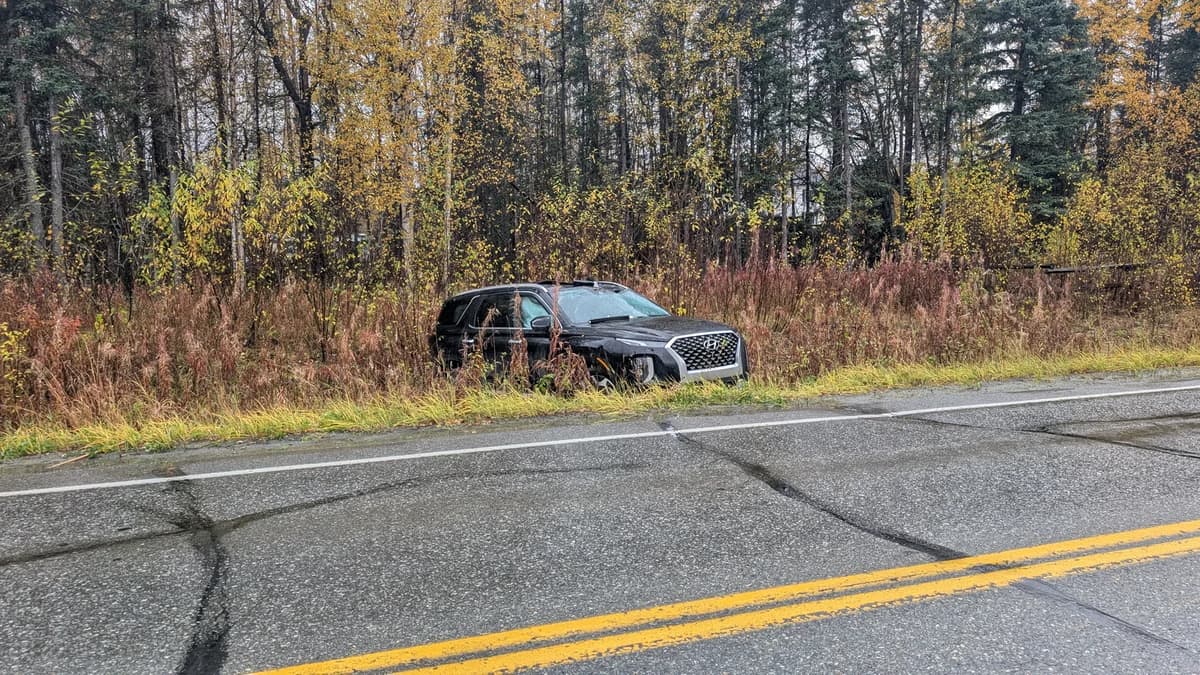
Illustrative highway recovery photo. It is not tied to a specific Parks Highway location.
The Parks Highway carries commuters, freight, and summer visitors through Wasilla and Houston on the way to Willow and beyond. Traffic moves quickly, and outside town the road has long stretches with few services. When a vehicle fails here, the first priority is to get people away from traffic.
Use these steps whether you are in Wasilla's busy commercial stretch or on a quieter section north of Houston. If anyone is hurt, a vehicle blocks a lane, or the situation feels dangerous, call 911 first.
Pick your stopping spot if you can
If the vehicle is still moving, use its momentum to reach a side road, a business lot, or a wide turnout. In town, a parking lot is much safer than a narrow shoulder between lanes of turning traffic. Outside town, look for an intersection or turnout where you can get fully off the road.
Turn on your hazard lights early. Avoid stopping on a curve or just over a hill, where drivers will not see you until they are close. Watch for soft ground beyond the pavement edge, especially during breakup or heavy rain, because a heavy vehicle can sink there.
Staying safe once you stop
Decide whether you are safer in the vehicle or away from it. If you are off the road with no sign of fire, staying buckled in may be safest while you call. If you are close to fast traffic and a safe path is available, move well away from the road and stay behind a barrier where possible. Do not stand between your vehicle and traffic, and avoid working on the vehicle on the traffic side.
If you have reflective triangles, place them only when you can do so without walking in traffic. In summer, keep water handy and watch for insects and wildlife, and remember that moose may wander near the road at any time of year.
Give a location a truck can use
A GPS pin is ideal. Add your direction of travel, since the far side of a divided section or a median can add miles to a truck's route. Parks Highway mileposts count north from Anchorage and are useful when a pin will not send. A nearby cross street, business, lake, or bridge also helps.
Cell coverage can be uneven north of the busier areas. As soon as you have a signal, text your location, vehicle, and what happened in one message. A text may go through when a voice call will not. Then save your battery, and let someone else know your plan.
What to tell us
- Year, make, and model, and whether the vehicle is AWD, hybrid, or electric.
- What failed, and whether it rolls, steers, and shifts into neutral.
- Where it sits: on pavement, partly in a lane, on the shoulder, or in a ditch.
- Your destination: a shop, your home, or somewhere else, plus its hours.
- How many people and pets are with the vehicle.
Pricing on this corridor
Pickup fees vary by zone, with Willow in a separate zone from Wasilla. Mileage from pickup to destination is added, and any recovery work is estimated separately. See the pricing page for current rates. We confirm the estimate before a truck leaves, so have a destination in mind if you can.
If the destination is a shop, call first to see if they can take the vehicle. After hours, ask whether they have a key drop and a safe place to leave it. A little planning here can spare you a second tow.
Keep the location current
If you do manage to move the vehicle before help arrives, send an updated location right away. Drivers rely on your last message, particularly where coverage drops out.
Related information
- Wasilla towing
- Towing near Willow
- Highway towing and recovery
- Photos: Flatbed towing for cars, SUVs, and pickups