
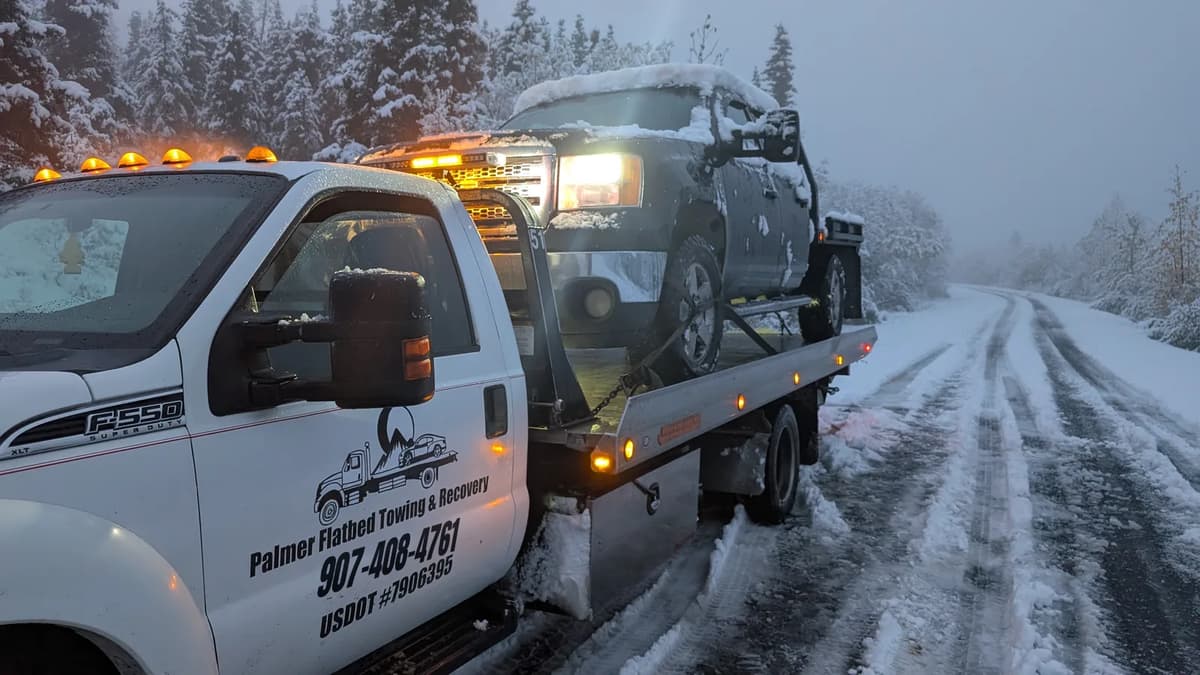
Early-season snow catches plenty of drivers who have not yet changed over for winter.
In the Mat-Su, the first frost and first snow can arrive with little warning, and then everyone wants a tire appointment at the same time. A few hours of preparation in September can spare you a cold morning with a dead battery, or an unplanned trip into a snowbank.
Here is a simple checklist. Your mechanic and owner's manual can give you the specifics for your vehicle.
Tires come first
Book your changeover early, because shops fill up quickly after the first snowfall. Check tread depth and look for cracks, and replace tires that are worn out rather than hoping for one more season. Winter tires stay more flexible in the cold, which improves their grip. Alaska DOT&PF lists studded tires as unlawful on paved roads north of 60 degrees latitude from May 1 through September 15, and it notes that Anchorage city limits bar them until October 1. Dates can be adjusted, so check the current rule before fitting them.
Cold air lowers tire pressure, so check it as temperatures fall and refer to the sticker on the driver's door. Make sure your spare is inflated, or that your sealant kit has not expired, and keep your jack and wheel-lock key where you can get to them.
Battery and charging
Cold is hard on batteries, and a battery that seemed fine in summer may fail on the first very cold morning. Ask a shop to test yours, particularly if it is more than a few years old. Clean corroded terminals, and make sure the battery is held down firmly. Our guide to cold-weather batteries explains more.
Fluids, heat, and visibility
- Check the coolant's freeze protection, and top it up with the correct type.
- Change your oil if it is due, using the grade your manual recommends for cold weather.
- Fill the washer reservoir with fluid rated for freezing temperatures.
- Replace worn wipers, and consider winter blades if your vehicle can use them.
- Test the heater, the defroster, and all exterior lights.
- Keep fuel above a quarter tank when possible, which gives you a margin for delays.
Block heaters and overnight parking
An engine block heater makes cold starts much easier on the engine and battery. If you have one, inspect the cord for cracks, and test it before the cold arrives. Make sure you have a suitable outdoor extension cord, and route it where it will not be run over or buried by plows.
Think about where you park. Leave room for plow trucks, avoid low spots where meltwater may refreeze around the tires, and do not park with the exhaust against a snowbank. If you own a second vehicle that you will store for the winter, prepare it now. A vehicle frozen into its spot is much harder to move later.
Refresh your road kit
Bring your winter kit back into the vehicle before you need it, including warm layers, boots, gloves, a blanket, a flashlight, a charged power bank, water, shelf-stable food, a scraper, a compact shovel, and reflective markers. Replace expired food and old batteries, and our winter emergency car kit checklist has a more complete list. Sand or traction mats can also help, but only if you are safely positioned to use them.
Save the numbers before you need them
Save your preferred towing and repair contacts in your phone now, along with your insurance and roadside plan details. Know your vehicle's drivetrain and any towing instructions from your manual. Practice your first few winter drives gently, too, since the first snow is when skills are rustiest. Leave more room, brake earlier, and allow extra time.
Check your recovery points
Find your vehicle's recovery points or removable tow eye now, and keep the eye where you can reach it. Your manual will show where it goes. Knowing this in advance can make a winch-out quicker when the vehicle is cold and half buried.
Related information
- Winter emergency car kit
- Winch-out or tow after a snow slide-off
- Roadside recovery
- Alaska DOT&PF: studded tire rules
- Jump Starts
- Highway Towing and Recovery
- Palmer towing
- Wasilla towing