
Roadside safety
After an Accident: Photos, Insurance, and Your Tow
By Palmer Towing and Recovery · Published
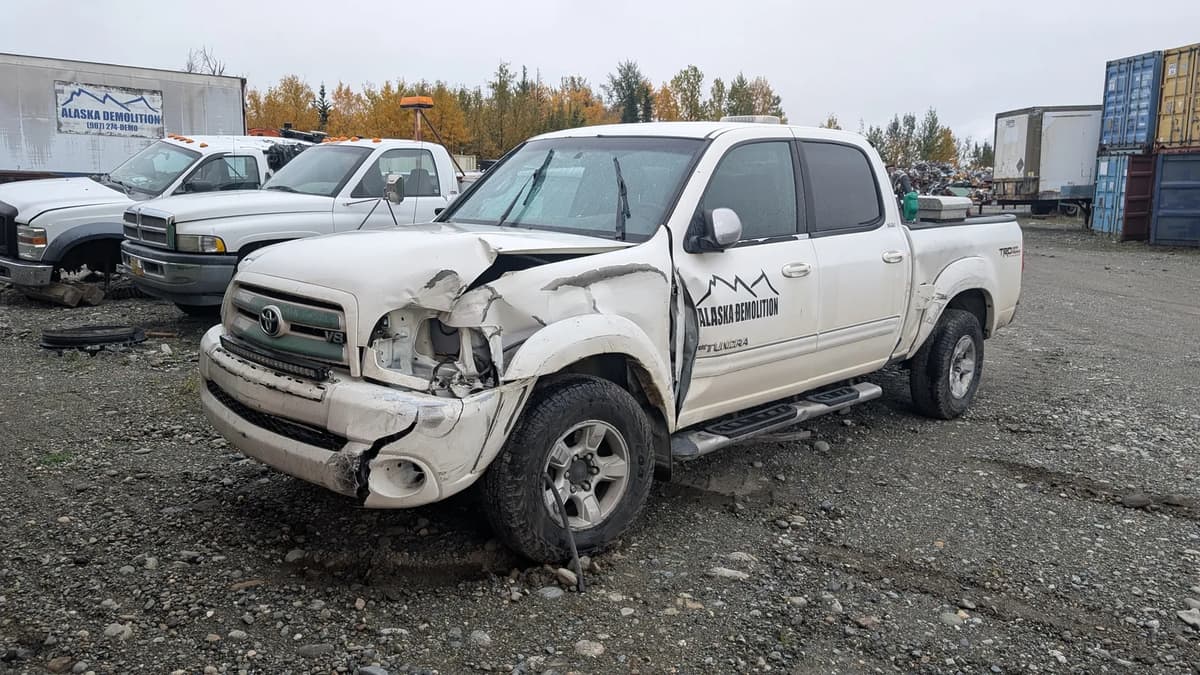
Photos of damage taken before the vehicle moves are a useful record for your insurance claim.
A collision is stressful, and it is hard to think clearly right after one. Having a simple order of steps in mind helps. People and safety come first, and paperwork and towing come later.
This is general guidance rather than legal or insurance advice. Reporting requirements and coverage vary, so follow directions from responders and speak with your insurer or attorney about your specific situation.
Safety and emergency calls first
Call 911 if anyone may be hurt, if a vehicle blocks traffic, if you smell fuel, or if the scene is otherwise dangerous. Turn on your hazards and move to a safe location if you can do so without crossing traffic. If a vehicle can move and responders or local rules allow it, getting clear of the travel lanes may help prevent a second crash.
Do not move a person who may be injured unless there is immediate danger, such as a fire. Remember that some injuries only become apparent later on, so tell responders about any symptoms. The Alaska DMV says a driver must file a report within 10 days when a crash causes injury, death, or apparent property damage of $2,000 or more and no peace officer investigated it. Ask law enforcement or check the DMV page about what applies to you.
Photos worth taking
- All vehicles from each corner, showing their positions before they are moved, if safe.
- Close-ups of damage, including wheels and any fluid on the ground.
- License plates and insurance cards of the other drivers involved.
- The road surface, skid marks, signs, lights, weather, and any debris.
- Mileposts, street signs, or landmarks that show the location.
Information to exchange
Get names, phone numbers, insurance details, and vehicle information from the other drivers. Ask witnesses for contact details as well. Note the responding agency and any report number. Stick to the facts when talking about the crash, and leave decisions on fault to the investigators and insurers.
Call your insurance company when you can. Ask about towing and storage coverage, and whether they have a preferred repair shop. Note that you may be able to choose your own shop, so ask about your options rather than assuming.
Getting the vehicle towed
Request a tow once authorities allow the scene to be cleared. Tell the dispatcher about the visible damage, whether the wheels turn, any fluid leaks, and whether the airbags went off. A wheel pushed under the vehicle or a bent axle can change the loading plan. Fenders or bumpers dragging on a tire may also need attention before the vehicle will roll.
Damaged hybrid and electric vehicles need extra care. A hot, smoking, leaking, or warning-marked high-voltage battery is not a routine tow and must be disclosed immediately. Remove valuables, documents, and child seats before the vehicle leaves. Check with your insurer about child seats, since many are to be replaced after a crash.
Choosing where it goes
If you have a repair shop picked out, ask whether they can receive a damaged vehicle at this hour and where to leave keys. Going straight to the shop can avoid a second tow. If you are unsure, your home may work, as long as there is room to unload safely and the vehicle is not leaking. Our guide on choosing between home and a mechanic has more.
Keep your receipts for the tow and any storage, along with your photos, and pass them on to your insurer. Keeping everything in one folder or phone album makes the claim easier in the weeks ahead.
Be careful with quick offers
Before a vehicle leaves the scene, make sure you know who is moving it, where it is going, and what it will cost. Write down the company name and destination, and get a receipt. Check with your insurer if you are unsure about an offer.
Related information
- After a moose collision
- Accident towing photos
- Request a tow
- Alaska DMV: report a crash
- Flatbed Towing
- Highway Towing and Recovery
- Eagle River towing
- Chugiak towing