
Vehicle transport
Moving a Vehicle Out of Winter Storage in Alaska
By Palmer Towing and Recovery · Published
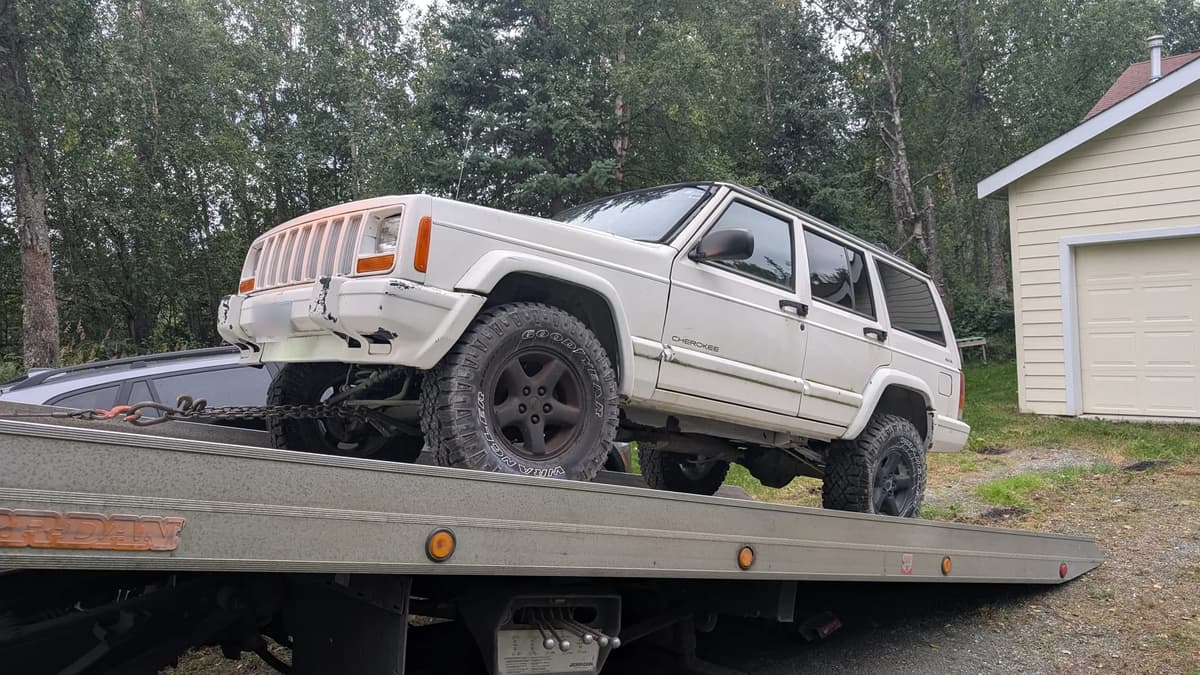
A vehicle that has sat for months can still load well when the wheels roll and the path is clear.
Alaska winters are hard on parked vehicles. Months of cold and moisture can flatten batteries, set brakes against rotors, and let snowmelt freeze around tires. When spring arrives, the vehicle you parked in working order may need a little care before it moves.
Use this checklist before you turn the key. It can help you decide whether the vehicle only needs a jump or a fresh battery, or whether it should ride to a shop instead.
Look before you start the engine
- Open the hood and look for chewed wires, nesting material, or stored food from rodents.
- Check under the vehicle for new puddles or stains.
- Check the air filter housing and engine bay for nests before cranking.
- Look at each tire for low pressure, cracks, or a flat spot.
- Confirm oil and coolant levels are normal.
- Clear snow, ice, and debris from the exhaust outlet.
Why stored vehicles refuse to roll
Parking brakes and brake pads can stick to rotors or drums after a long, damp sit. The vehicle may start and shift normally, then refuse to move, or a wheel may drag once it does. Forcing it with throttle can damage parts and may pull the vehicle sideways. Ice at the base of the tires can also hold a vehicle in place even after the air warms, particularly in shaded spots.
If a tire is flat, inflate it before rolling, if it will hold air. Moving a vehicle on a flat tire can damage the sidewall and sometimes the wheel, leaving you with a bigger bill than a slow, careful approach would have.
Batteries and fuel after a long sit
A battery left unattended through a cold season is often the first thing to fail. A jump may get the engine running, but a battery that went fully flat may not hold its charge afterward. Our jump starts are limited to vehicles we can reach safely from the road, and a start is not guaranteed.
Old fuel, particularly in small engines and vehicles parked with low tanks, can make starting difficult or rough. If the engine does not catch after a few attempts, stop before you drain the replacement battery or overwork the starter. A shop can check it properly.
Planning the move when it will not drive
If the vehicle will not drive, tell us whether it rolls, steers, and shifts into neutral, and whether any wheel is locked. Say where it is parked and what surrounds it. A locked wheel can usually still be loaded, but it may need a different pull direction and extra time.
Clear a path before the truck arrives. A flatbed needs space to line up behind the vehicle and room to tilt the deck. Mud season matters here too, because a soft driveway can stop a job even when the vehicle is fine. Send photos of the vehicle and the access path, and consider waiting a few days if the ground is still thawing and the move can wait.
If you plan to drive it yourself
If everything looks good and the engine starts, let it idle for a few minutes while you watch the gauges and warning lights. Test the brakes at walking speed in the driveway before you reach the road, since rust on the rotors can make the first few stops feel rough. Check that the steering feels normal and listen for anything dragging. Confirm the registration and insurance are current, because both can lapse while a vehicle sits. Take the first trip somewhere close, such as a nearby shop, and keep your phone charged. If the brake pedal sinks, a warning light stays on, or the vehicle pulls hard to one side, stop driving and arrange transport instead.
Related information
- Flatbed towing
- Jump-start service limits
- Schedule a vehicle move
- Car Towing
- Palmer towing
- Wasilla towing
- Photos: Flatbed towing for cars, SUVs, and pickups