
Junk removal
Junk Vehicle Removal: Ownership and Paperwork
By Palmer Towing and Recovery · Published
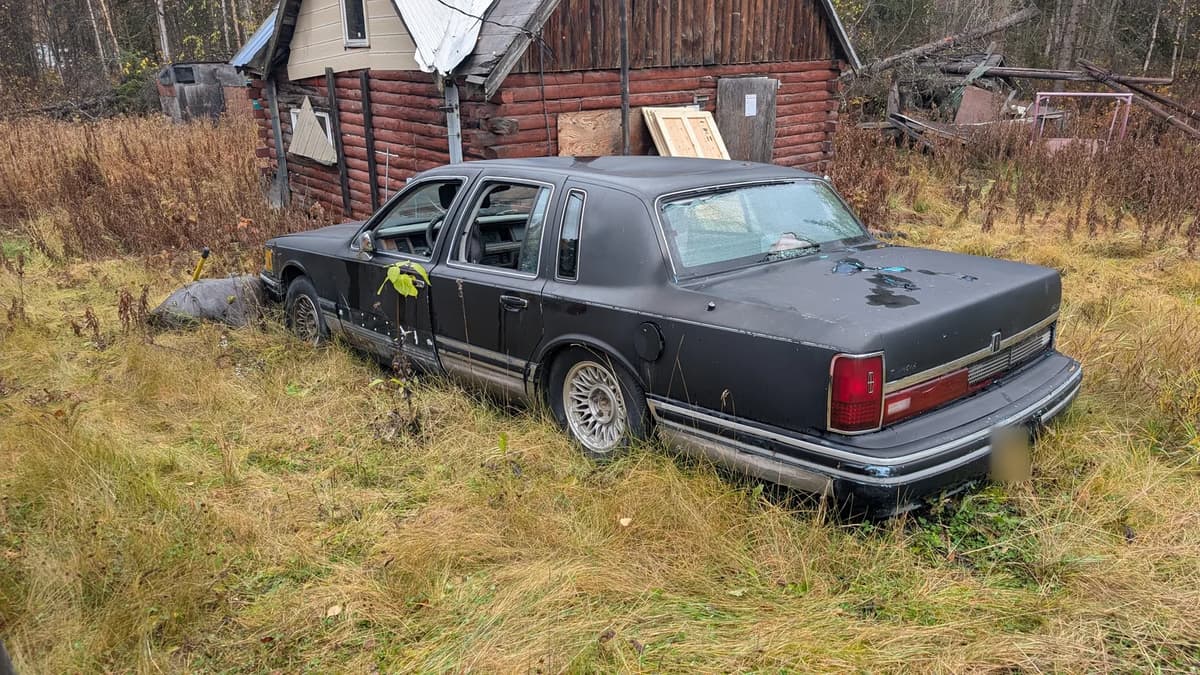
A vehicle parked for years can settle into the ground, so access and condition both need a look.
Many Mat-Su properties have an old vehicle sitting in the trees. It may belong to you, to a relative, or to someone who left it behind years ago. Getting it hauled away is usually straightforward once you sort out two things: whether you have the right to dispose of it, and whether a truck can reach it.
This guide gives general preparation advice. It is not legal advice, and the requirements for titles and abandoned vehicles are set by state and local rules. If your situation is unclear, check with the Alaska Division of Motor Vehicles before you arrange removal.
Sort out ownership first
We need ownership squared away before loading. The simplest case is a vehicle titled in your name, with the title in hand. If the title is lost, the DMV can tell you about replacing it. Do this before the truck is scheduled, since replacing paperwork can take time.
Other situations take more care. A vehicle may belong to a deceased relative, an old tenant, or a stranger who left it on your land. You generally cannot treat a vehicle as yours just because it sits on your property. The Alaska DMV describes a process for abandoned vehicles on private land that includes notifying the owner and lienholders and waiting through a set period, so read its page or ask local authorities before you proceed. It is also worth checking for an outstanding lien if you are unsure of the vehicle's history.
Handle plates, registration, and insurance
Take the plates off if the rules that apply to you call for it, and keep a record of when the vehicle left. Ask the DMV what to do with the registration and whether a notice of sale or disposal should be filed. Call your insurer before cancelling coverage so you know whether anything else is needed. A dated photo of the vehicle on the truck can be useful for your records.
Empty it out
- Check the glove box, door pockets, under the seats, and the trunk.
- Remove documents showing your name or address.
- Take out tools, spare keys, garage door openers, and toll or parking passes.
- Remove garbage and loose items that could blow out during transport.
- Mention any fluids leaking, fuel left in the tank, or batteries stored inside.
Access decides most of the job
A flatbed needs firm ground, a clear approach, and room to line up behind the vehicle. Trees grow up around parked cars. Brush can be cut, but a vehicle frozen into the ground, buried to its axles, or wedged between other vehicles is a different quote and sometimes a no.
Flat tires and locked wheels are common after years of sitting, and rusted frames can be fragile. Tell us what you know, even if the answer is that the vehicle has not moved since 2009. Spring breakup is often a poor time for this work, because the same soft ground that traps cars can trap the truck. Waiting for the ground to firm up can make the job safer and simpler.
Photos that help us quote it
Photos of all four sides and the access path save a wasted trip. Add one of each wheel if the vehicle has sunk in or the tires are gone, and one from the road or driveway looking toward the vehicle. Mention low branches, power lines, gates, and tight corners along the way.
Price depends on location, how complete the vehicle is, how hard it is to load, and where it is headed. Removal is a paid service, so check the current pickup rates on our pricing page. A vehicle that still has value may be better sold first, so consider that before scheduling.
A quick order of operations
Confirm ownership, clear out your belongings, take the photos, then request a quote. Doing it in that order avoids paying for a trip that ends with paperwork questions at the curb.